
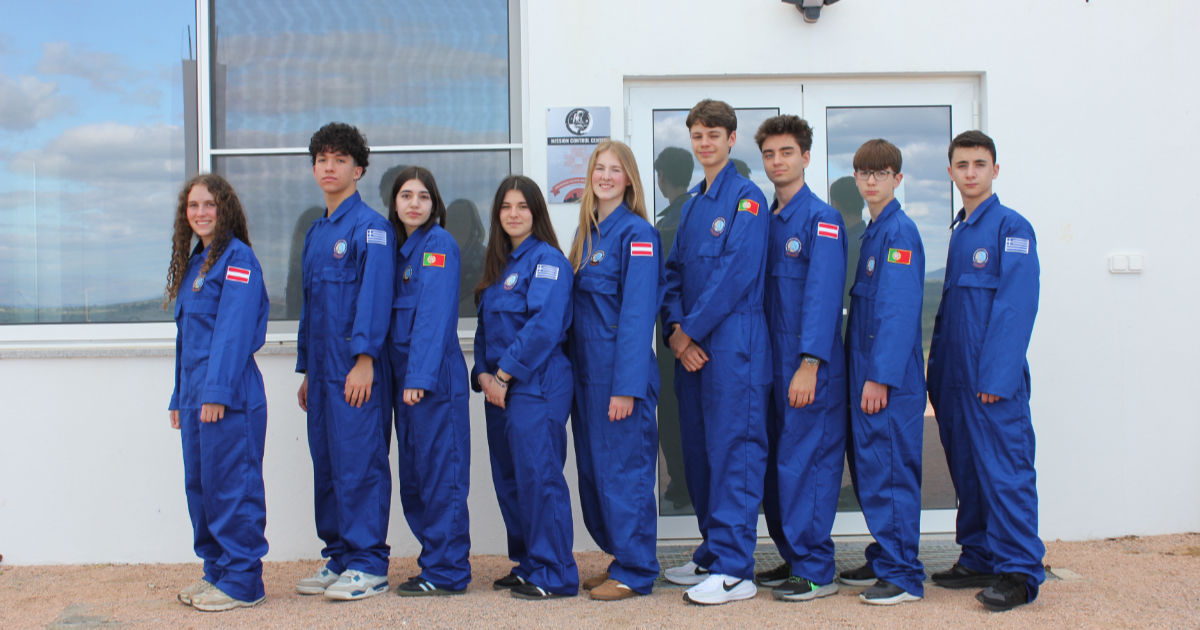
Nine high school students from Austria, Greece and Portugal successfully completed the EXPLORE-2 mission. Over six days, they lived in a habitat built to simulate Mars, near Monsaraz, Portugal, where they stepped into the role of analog astronauts with remarkable commitment.
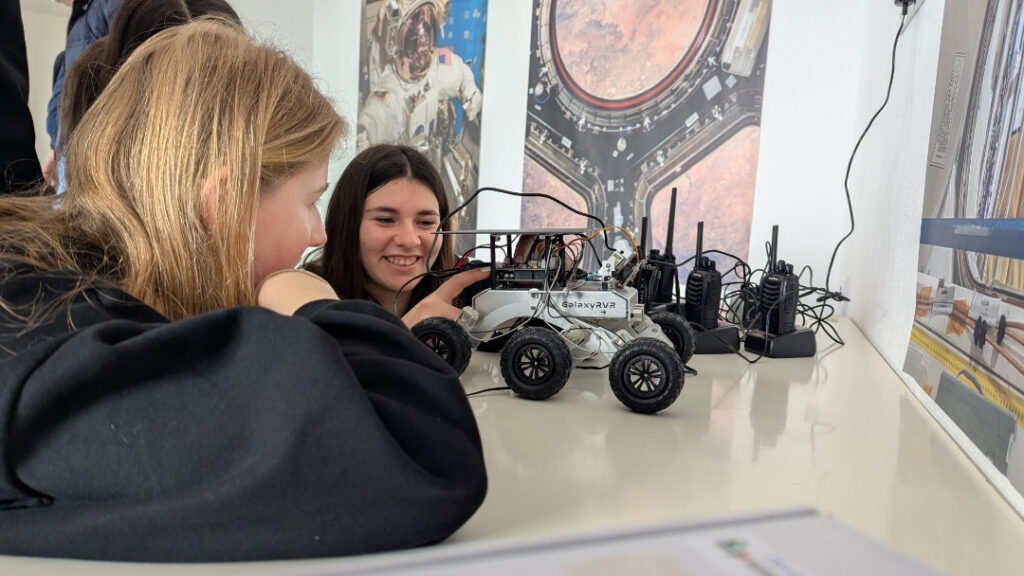
From 13-19 April 2026, at the Mars Analog Research Station (M.A.R.S) located at OLA – Observatório do Lago Alqueva, the students lived, worked, and explored as if they were on Mars, operating rovers, conducting scientific experiments, and solving real challenges —all without any outside assistance.
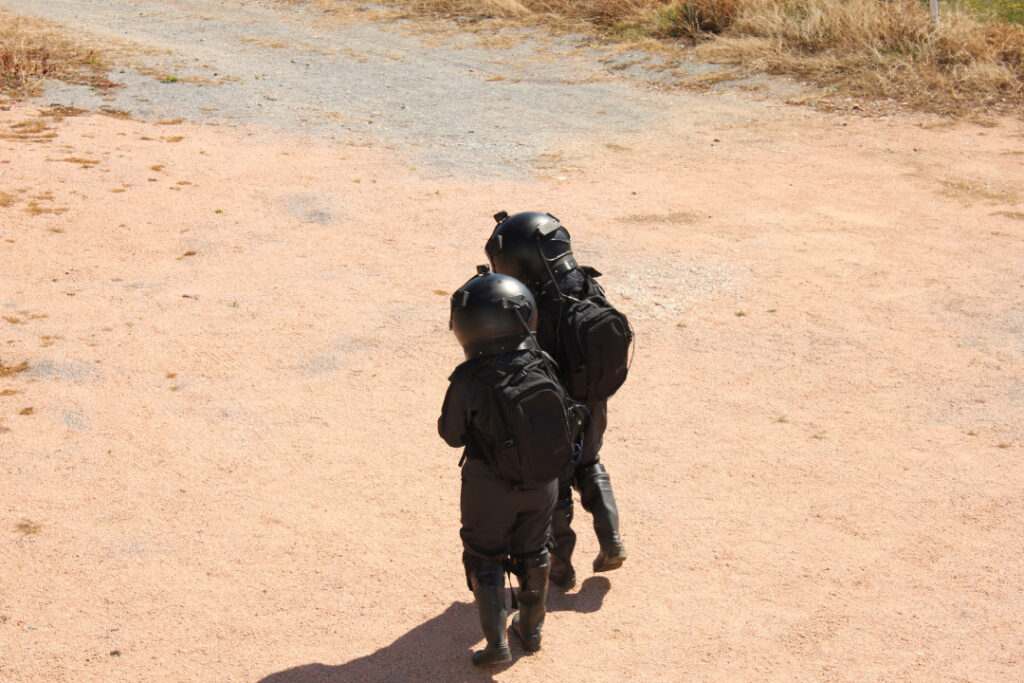
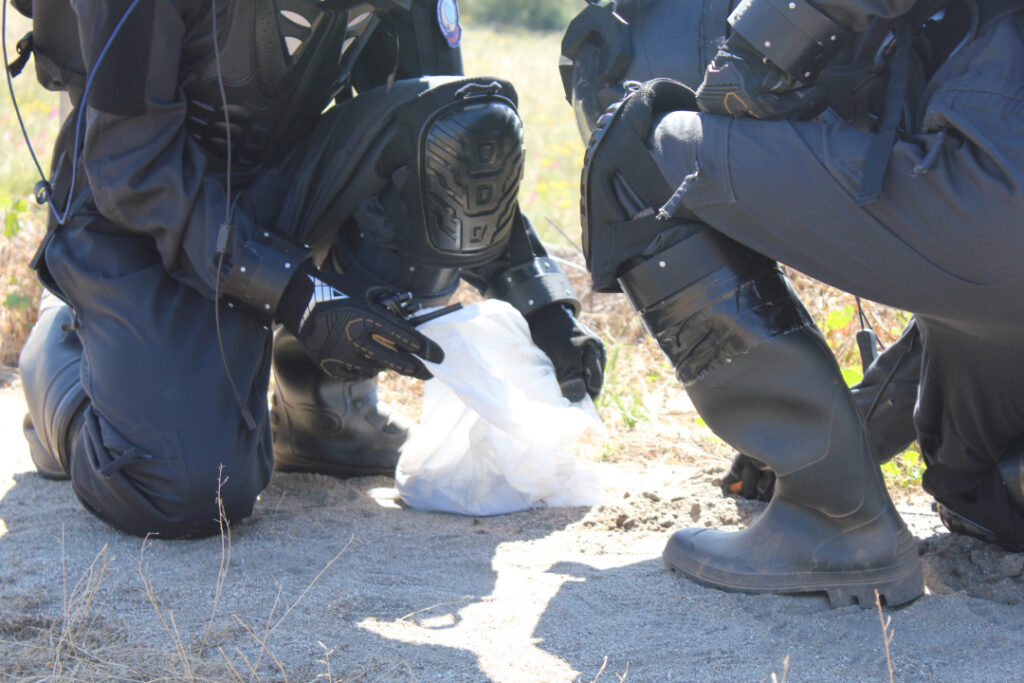
EXPLORE-2 builds on the foundation laid by its predecessor mission, EXPLORE-1, which took place in June 2025, but with improved educational ambition and operational realism. Participants actively designed their own mission plans—scheduling experiments, integrating scientific investigations, and making operational decisions—using procedures adapted from AMADEE, the Austrian Space Forum (OeWF) professional flagship research program. They alternated through various roles at the MSC – Mission Support Center (on Earth) and at the Habitat (which simulates a station on Mars), including the roles of Flight Director, Remote Science Support, Procedures and Records Officer, Media and Outreach Officer (MOO), Ground Support, Flightplan, Crew Commander and Analog Astronauts 1 and 2. One highlight was the EXPLORE Experiment Design Challenge, a competition that invited students to propose scientific investigations for the mission. The winning entry came from the Antalya Science and Art Center (BİLSEM) in Turkey: an experiment testing astronaut reflexes before, during, and after wearing Delta suits (the specialized attire students wore each time they left the habitat).
Project lead Gernot Grömer (OeWF) said: “We gave these students real responsibility. They weren’t just following a script—they were making decisions, managing resources, and working as an actual crew. It is a shining example of European cooperation with the very generation that will one day enable our society’s most ambitious journey yet: A crewed mission to the Red Planet.”
Jean-Claude Worms, Executive Director of the Committee on Space Research (COSPAR), one of the project partners, said: “Another week of analog EXPLORERS to Mars has just concluded beautifully. It was awesome to see what highly motivated high school students can do when confronted with the challenges of a simulated space mission. They came out of the facility transformed, instantly becoming dedicated ambassadors for the promotion of STEM education. We cannot wait to see some of them attending the COSPAR Scientific Assemblies in the future!”
“We’re not just supporting students to learn about space—we’re showing them what it’s like to live it,” said Rosa Doran president of NUCLIO, one of the key project partners and Chair of the COSPAR Panel on Education. “This mission represents everything we envisioned when we created EXPLORE: young people gaining authentic experience in exploration, self-motivation, self-confidence, teamwork, and scientific thinking.”
Angelos Lazoudis, project partner and senior researcher from Ellinogermaniki Agogi said: “The mission is not only about knowledge and learning new topics, it’s about collaboration and communication. These are the basic skills that the students will carry on in their life after leaving school. Relying on trusting colleagues, working as a team, is as important as having knowledge or technical know-how for a successful mission.”
But let’s get to know the students and teachers involved in these simulated Martian expedition:
- From Austria: Ąžuolas Račinskas (Amadeus International School Vienna), Lisa Nöstler (Europagymnasium Auhof Linz), and Lena Kappeller (Bundes Real Gymnasium in der Au), accompanied by teacher Marigold Muchmore.
- From Greece: Alexandros Papathanasiou (American Farm School), Andrianos Lalagkas and Danai Argyriadi (Ellinogermaniki Agogi), accompanied by teacher Eleni Krokou.
- From Portugal: Francisco Lucas (Agrupamento de Escolas Professor Agostinho da Silva, Sintra), Francisco Bártolo (Escola Secundária de Paredes), and Maria Francisco (Agrupamento de Escolas Frei Gonçalo de Azevedo, Cascais), accompanied by teacher Sandra Baptista.
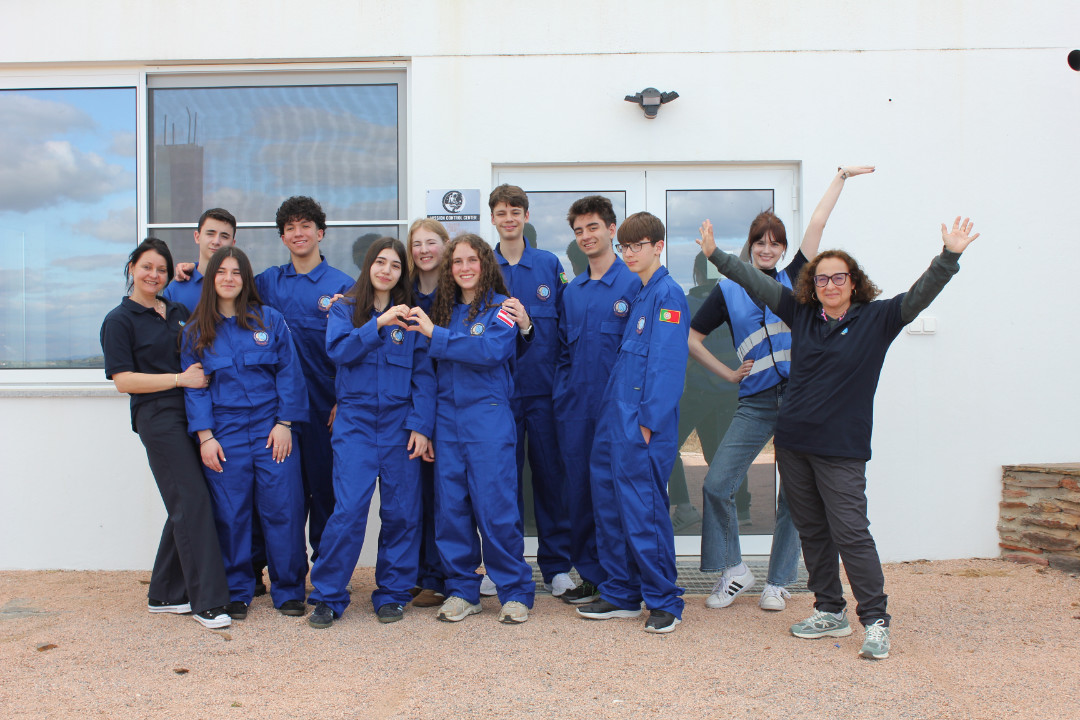
Some of the students and teachers shared their reflections on the experience:
“Space, experiments and isolation taught me a lot, not only about scientific procedures but also about myself. I learnt that patience is very important and I can’t always accomplish everything by myself. Every crew member was necessary for OUR CREW to function efficiently. And just like that, one week passed, filled with moments that will remain engraved in my mind forever.” — said Danai Argyriadi, Greek student.
For Ąžuolas Račinskas, Austrian student, “Of all things that life has to offer only a few of them are constant, one of them being that life is a journey. The most important question that you have to answer is: Who do you bring alongside you? If it’s the EXPLORE2 team, and the destination is Mars, then my answer is: absolutely!”
And Maria Francisco, Portuguese student, shared with us that the EXPLORE project was more than just the analog mission behind it: “The EXPLORE project is amazing, I made new friends, learned more about the analog missions and also learned more about science. I really enjoy the project, it was an amazing idea, and I’m grateful for having the opportunity to be here.”
“Missions like these remind me why I fell in love with the intersection of science and teaching.” — said Marigold Muchmore, teacher from Austria accompanying students on the EXPLORE-2 mission.
Teacher Sandra Baptista, from Portugal, added that: “Watching these young students work on this project, taking on their assigned roles with such dedication and professionalism, solving problems together and establishing a strong bond of friendship, trust and respect in such a short time makes me proud to be a science teacher. I believe that with them, the future of humanity is in good hands.”
And Eleni Krokou, teacher from Greece, reflected on the crew’s journey and the true meaning of the mission: “It was challenging for both students and teachers, especially at the beginning. But I’m impressed by how they worked together as a team, how they set up their roles during the mission, they knew exactly what they were doing. EXPLORE is an…
Expedition for
Xtra research to
Pursue
Locate
Observe
Reveal and
Encounter the unknown”
Just like EXPLORE-1, the second iteration of this mission also received significant attention from schools and the media. The students organized online interviews with Portuguese and Austrian schools, as well as a short live call to the ESA’s European Space Research and Technology Centre in Noordiwjk (Netherlands). The mission was featured in important Greek, Austrian and Portuguese news outlets, such as the online newspaper Cyclades Open in Greece, the HitRadio OE3 and the daily newspaper Österreich in Austria, and the TSF radio and SIC TV station in Portugal. Lusa, the biggest Portuguese news agency, visited the mission and, once again, issued a media press to Portuguese media, and the mission was featured in the online editions of Observador, Jornal de Notícias, Notícias ao Minuto, and many other national and local newspapers, magazines, and online platforms.
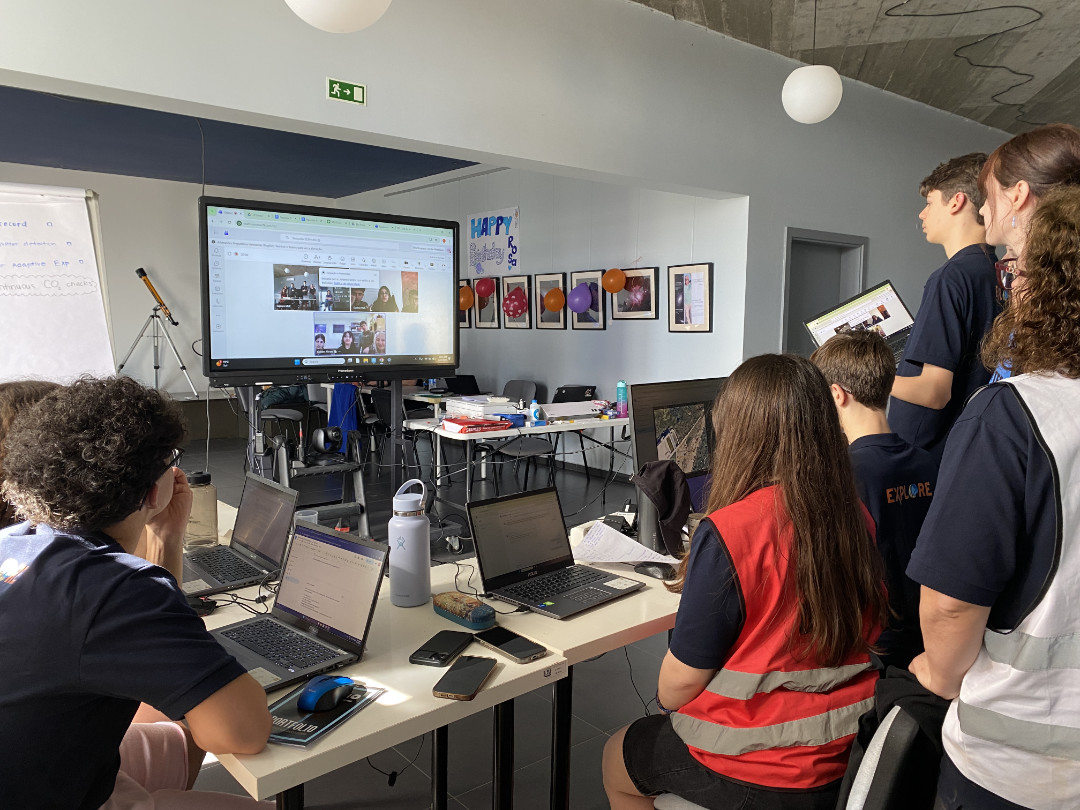
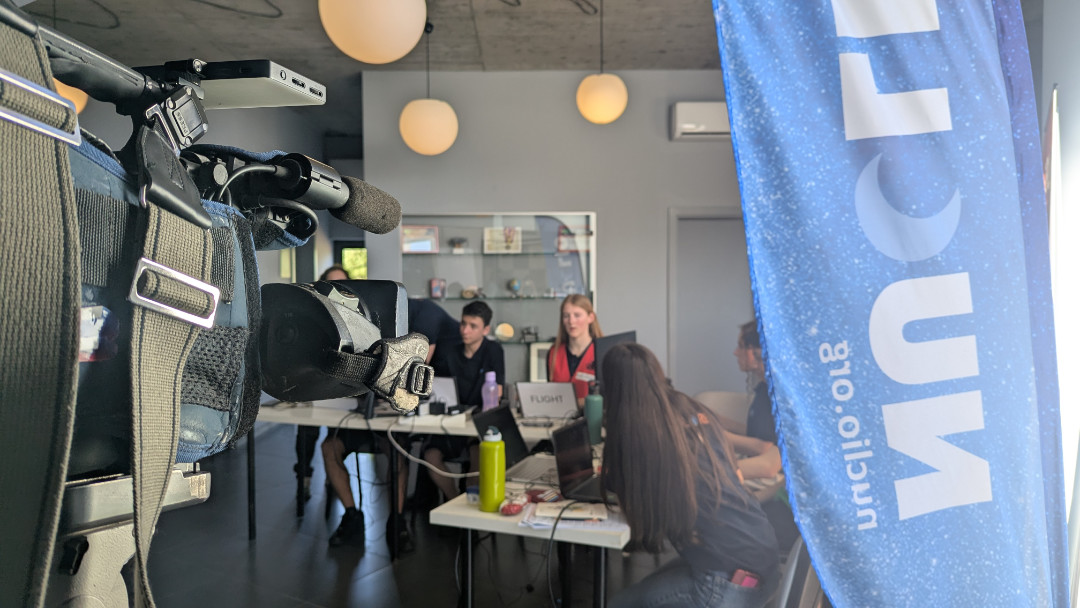
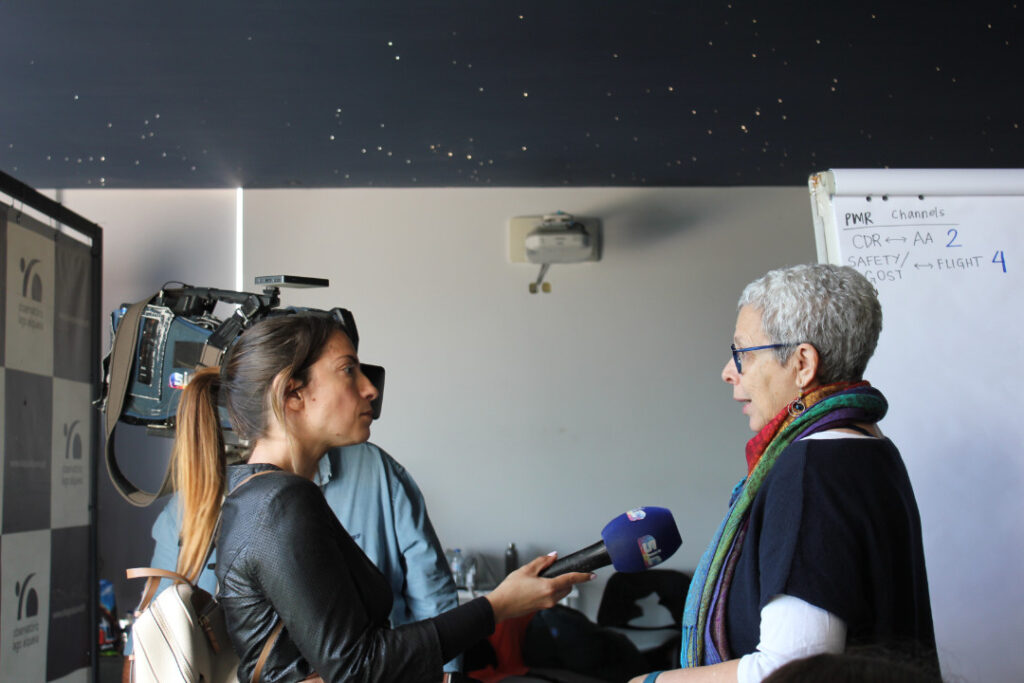
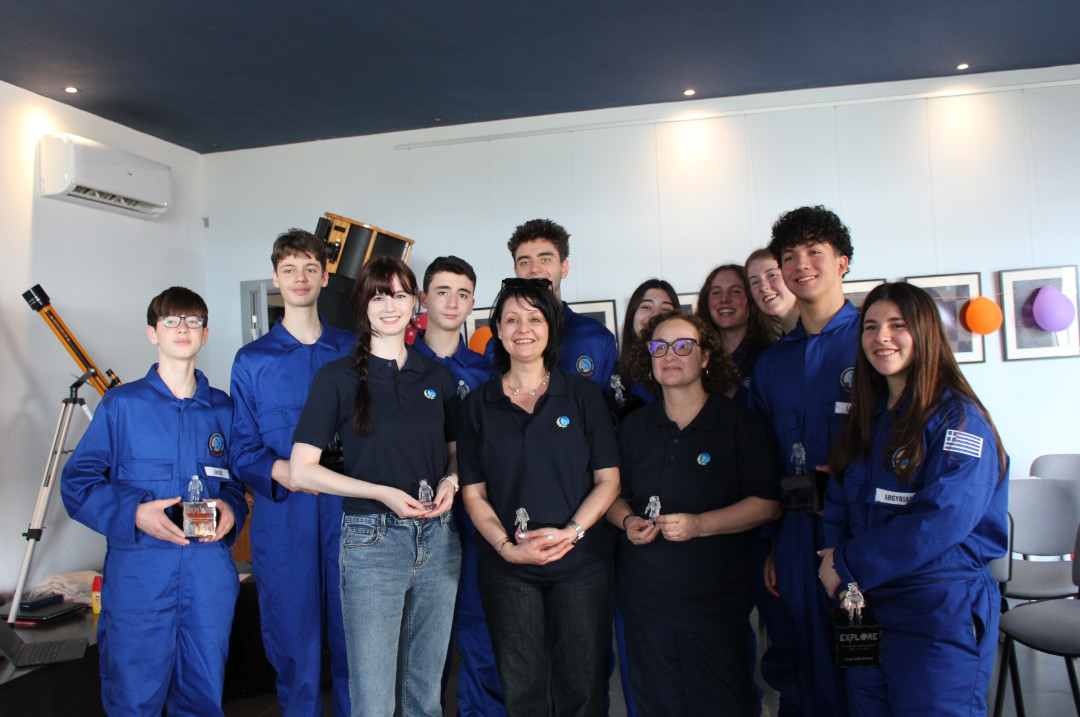
More photos from the mission on the EXPLORE-2 page
This mission was a joint effort by the EXPLORE project partners: the Austrian Space Forum (OeWF), NUCLIO, the Greek school Ellinogermaniki Agogi (EA), the Committee on Space Research (COSPAR), and the Alqueva Lake Observatory (OLA).
Any school can take part in the EXPLORE project through the program’s virtual toolkit, bringing analog space exploration into classrooms worldwide. In the future, the Monsaraz Analog Research Station shall be open to students for these week-long experiences.
(Parts of this article were adapted from the EXPLORE – COSPAR Press Release)